

Film Fades, Moments Don’t: VidaBay Sparks Fundamental Reflection Among Instant Film Enthusiasts

Midnight Noir · VidaBay E-Ink Magnet
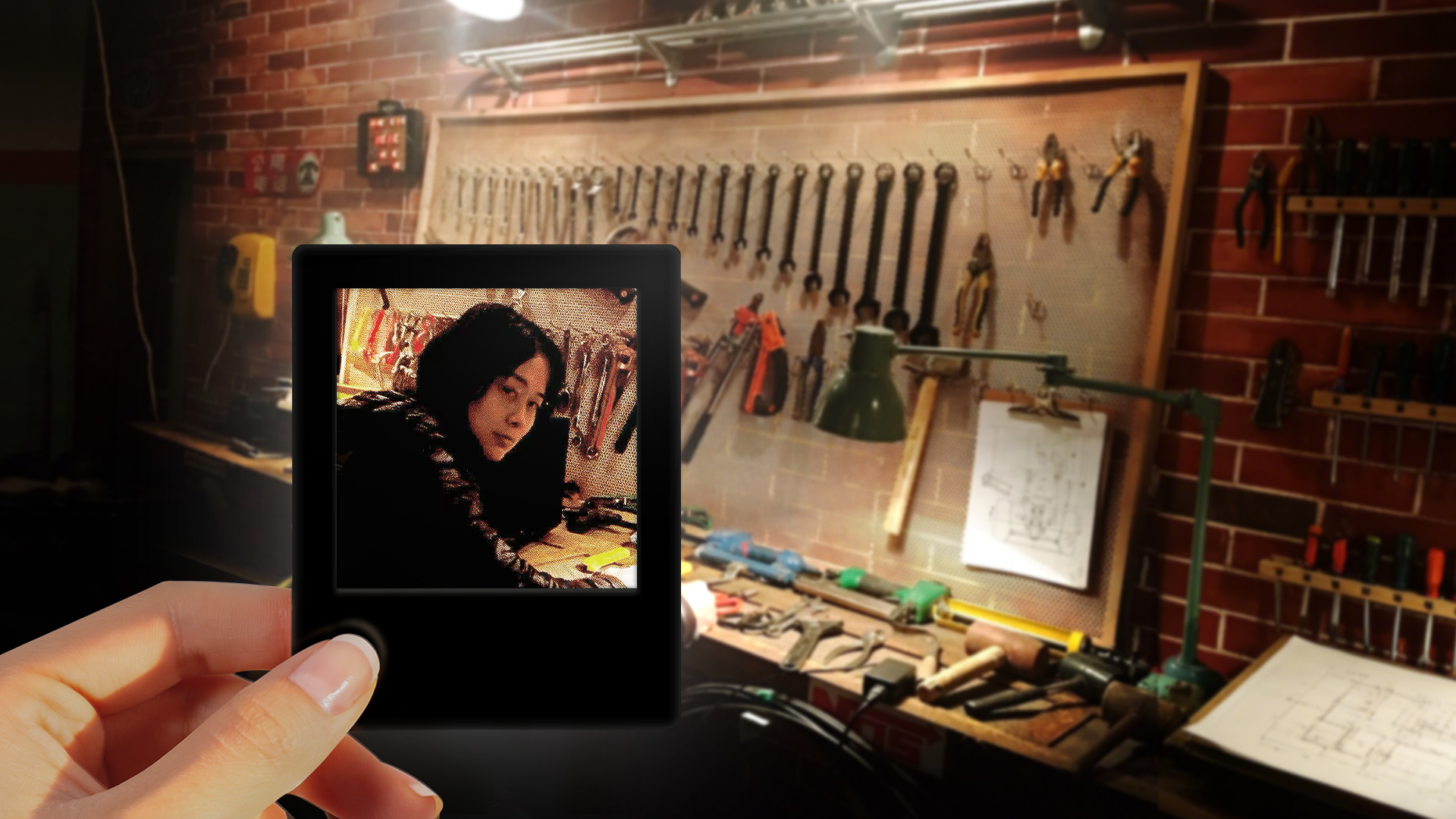
Dim workshop, his backward glance
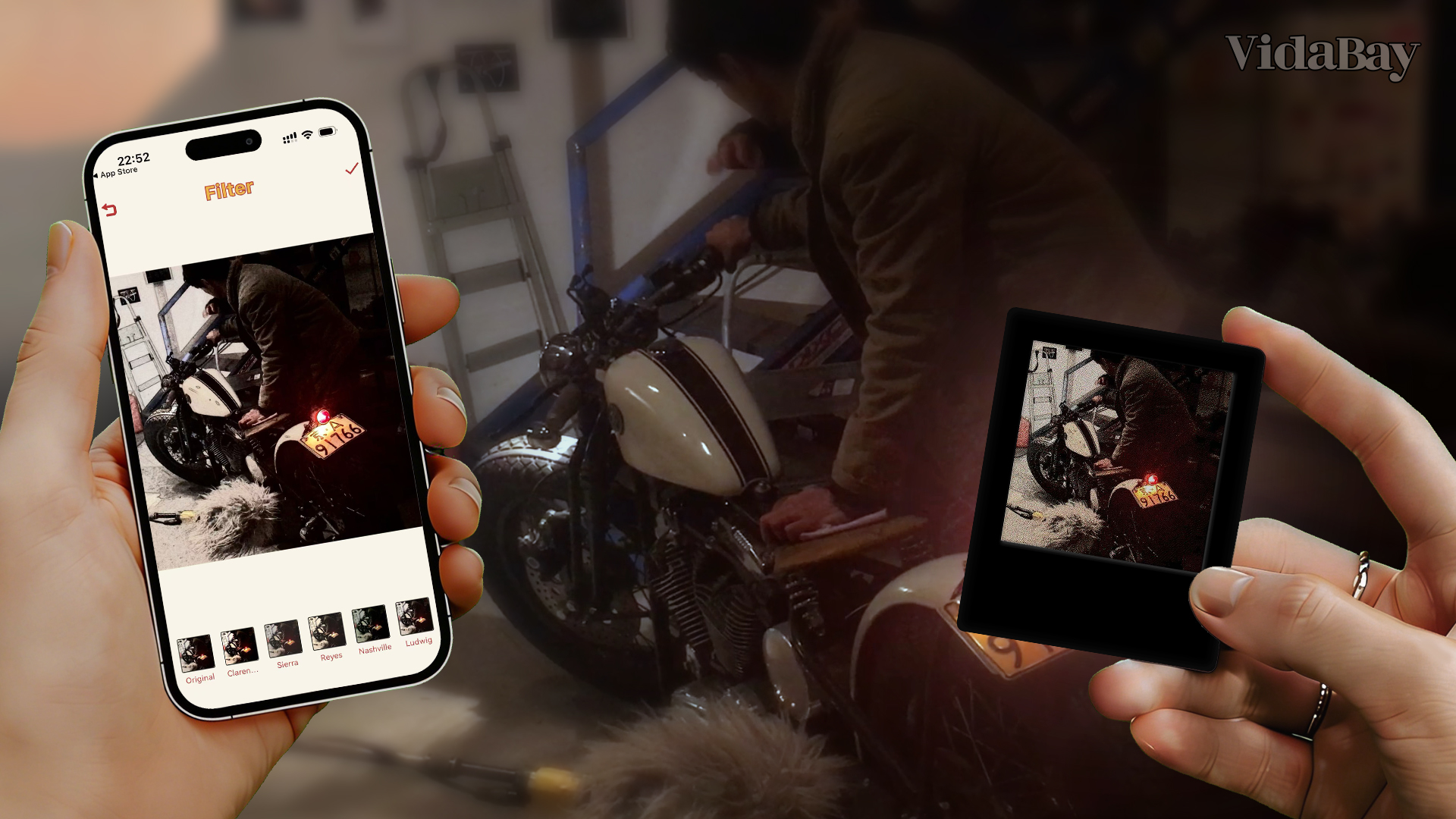
Motorbike glows on dark e-ink
A Global Community Discussion on the Core Essence of Instant Photography Is Gaining Traction
SONGJIANG, SHANGHAI, CHINA, April 4, 2026 /EINPresswire.com/ -- Nearly 80 years after the birth of instant film, the global instant photography community is undergoing a collective reckoning over the very essence of the craft. Sparked by VidaBay, a zero-power E Ink brand, this conversation unfolding across core photography communities cuts straight to a question that lies at the heart of every instant film enthusiast’s passion: when the chemical ink film that holds our precious moments is fated to fade over time, what is it that we truly love about instant film?As of press time, the related topic has sparked widespread discussion among enthusiasts across communities including Reddit, Good e-Reader, TikTok and Instagram. Instant film enthusiasts from more than 30 countries worldwide have purchased this innovative new product via VidaBay’s official website and joined the conversation about the essence of instant photography through posts and comments. Notably, the origin of this discussion was not a brand marketing campaign, but the well-documented, long-standing collective pain points of the global instant film community.
Fading Film: A Universal Pain Point for Enthusiasts Worldwide
For the tens of millions of instant film enthusiasts around the world, the fading, yellowing, and deterioration of chemical film is an unavoidable, industry-wide issue, and a long-discussed, well-known pain point within the community.
According to official guidance from leading global film brands and published research from Wilhelm Imaging Research, a leading authority in image permanence, instant film is universally prone to fading, yellowing, and physical damage such as creasing. Meanwhile, user data from Fujifilm instax and digital content behavior research show that most users scan their photos for digital archiving, yet the vast majority of these digital files are only viewed once—when posted to social media—before remaining dormant in storage long-term.
“When we press the shutter on an instant film camera, our core desire is to capture that one-of-a-kind moment. But the reality is, the only thing that holds that moment—the chemical film—will fade, deteriorate, and eventually become unrecognizable, losing even the finest details of that memory.” This sentiment has struck a chord with countless enthusiasts throughout the conversation.
Real User Choices Ignite Industry-Wide Reflection on Core Essence
It is this collective regret shared across the entire community that has driven enthusiasts worldwide to seek new ways to preserve and display their captured moments—and directly ignited this sweeping conversation about the true essence of instant film.
According to Nathan Chee, CEO of VidaBay, data shows that over 62% of global orders for the brand’s zero-power E Ink fridge magnet come from core instant film enthusiasts, spanning more than 30 countries and regions worldwide. Across public communities, countless enthusiasts have spontaneously shared a consistent use case: capturing a shot on their phone, then syncing the image to the zero-power E Ink magnet via a one-tap NFC refresh, allowing them to gift the piece instantly to a friend, or display it daily across multiple settings—on the fridge, a desk, a backpack, and more.
Many enthusiasts have shared in public communities that they have not abandoned instant film shooting and creation, and still hold onto the full ritual of pressing the shutter and waiting for the film to develop. For them, this product does not replace the instant film shooting process; instead, it provides a fade-proof, multi-scene display vessel for their finished work, ensuring their captured moments are not forgotten.
It is this large-scale, organic user adoption that has pushed instant film enthusiasts worldwide to confront a core question that has never been truly challenged within the community: what is it that we love about instant film? Is it the fading chemical ink film itself, or the one-of-a-kind moment we’re trying so desperately to hold onto?
Polarized Public Views, and an Industry Conversation With No Right Answer
Since gaining traction, this conversation has formed two sharply divided camps within public communities, with their core disagreement cutting straight to the very definition of the instant film industry. All views below are taken directly from user content published publicly in communities, with no fabrication or embellishment.
The purist camp, led by veteran film photographers and traditional instant film collectors, argues that chemical ink film has never been merely a “vessel for moments”—it is the very soul of instant film. Multiple veteran creators have spoken out publicly in communities, stating that the core appeal of instant film is anti-digital at its core. The irreversibility of pressing the shutter, the unpredictability of chemical development, the tactile physicality of holding a film print in your hand, and even the fading marks it gains over time—all of these combine to form the complete ritual of instant film. Displaying a scanned work on an electronic screen, they argue, essentially reduces instant film to a regular digital photo, stripping it of the core uniqueness that sets it apart from smartphone photography.
On the other side, the integration camp, led by young creators and family memory-keepers, argues that tying the soul of instant film exclusively to chemical ink film limits and narrows the true spirit of this passion. Countless enthusiasts have commented that when they press the shutter on an instant film camera, they are never doing so just to get a fading piece of film—they are doing so to capture a child’s smile, a sunset on a trip, a precious moment with friends. Film fades, but the moment itself does not; chemical ink film is just the traditional vessel for the moment, not the moment itself. Far from eroding the ritual of instant film, E Ink simply allows the moments people capture to be preserved longer, and seen more often.
The fact that there is no right answer is the very core of this conversation. It is about far more than a shift in how we display our creative work—it goes to the most fundamental creative impulse of everyone who picks up a camera: do we take photos to get a picture, or to hold onto a moment?
The answer lies in every enthusiast’s passion and choice.
Nathan Chee
Shanghai Enqi Information Technology Co., Ltd.
feedback@vidabay.net
Visit us on social media:
LinkedIn
Instagram
Facebook
YouTube
TikTok
Experience a battery-free aesthetic that feels like a classic Instant-film
Legal Disclaimer:
EIN Presswire provides this news content "as is" without warranty of any kind. We do not accept any responsibility or liability for the accuracy, content, images, videos, licenses, completeness, legality, or reliability of the information contained in this article. If you have any complaints or copyright issues related to this article, kindly contact the author above.
